









In today's world of electrical engineering and electronics, wires are far more than simple copper strands wrapped in insulation. They are the backbone of our devices, ensuring electricity and signals flow safely, reliably, and efficiently. Among the many types of wires, hook-up wire are two essential yet distinct types that serve different purposes. Understanding the differences between them is vital for manufacturers, engineers, and end-users who aim to ensure safety, compliance, and optimal performance.
Hook-Up Wire?
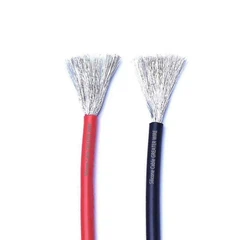
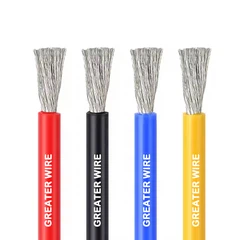
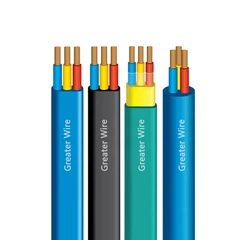
Hook-up wire, often called single-conductor wire designed specifically for internal connections within devices and control systems. Its structure typically consists of a high-purity copper conductor, either bare or tinned for corrosion resistance, covered by a layer of insulation. Common insulation materials include , each selected based on performance requirements.
The defining characteristic of hook-up wire is its suitability for low-voltage, low-current applications inside appliances, electronics, and industrial equipment. Unlike heavy-duty power cables intended for building wiring or long-distance power transmission, hook-up wire is optimized for compact spaces, precise connections, and frequent bending. Its role is akin to the nervous system in the human body-delivering electrical signals and small currents with reliability and safety.
In addition to conductivity, hook-up wire is designed with in mind. For example, PTFE-insulated hook-up wire can function reliably at temperatures up to +200℃, making it ideal for aerospace, automotive, or high-temperature industrial applications. Silicone-insulated wire, with its combination of softness and thermal resistance, is preferred in robotics, medical equipment, and other scenarios where frequent bending occurs.

Hook-Up Wire vs. Normal Wire
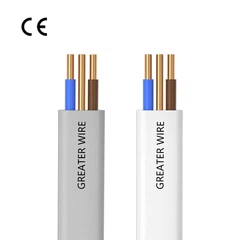
At first glance, hook-up wire and normal wire may appear similar. However, a closer look at their construction, usage, and certification reveals significant differences. The following table provides a clear comparison:
| Hook-Up Wire | ||
|---|---|---|
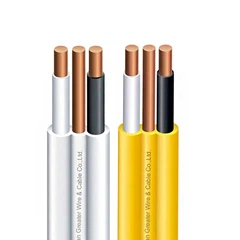
| Single-core or multi-core wire for power distribution | ||
| Low voltage (300V–600V) | Higher voltage (450/750V or 0.6/1kV) for mains power | |
| -60℃ to +200℃ depending on insulation | -15℃ to +70/90℃ | |
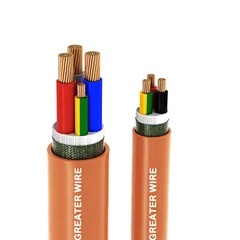
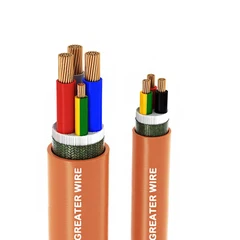
This table highlights that hook-up wire is engineered for . Using normal wire in sensitive electronic devices could cause poor connectivity, overheating, or even short circuits, while using hook-up wire for mains wiring would be unsafe and non-compliant.
Applications of Hook-Up Wire
Hook-up wire is a cornerstone in a variety of industries because of its . It is widely used in:
- Washing machines, refrigerators, microwaves, coffee machines, and air conditioners rely on hook-up wire for internal power distribution and signal connections between control panels, motors, heaters, and sensors.
- Dashboards, sensors, lighting modules, infotainment systems, and engine control units often incorporate PTFE or silicone-insulated hook-up wires to withstand high temperatures and vibration.
- PLC systems, robotics, control cabinets, and sensor networks utilize hook-up wire for precise internal connections where space is limited.
- High-performance applications demand wire that resists heat, chemicals, and mechanical stress, making PTFE or silicone hook-up wire indispensable.
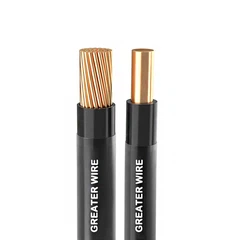
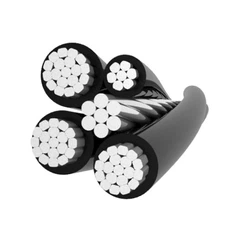
, including household circuits, lighting installations, and large-scale industrial cabling, where flexibility and compactness are secondary to load-bearing capacity and insulation durability.
hook-up wire is designed for safety and flexibility, improper use can compromise performance. Two main points to consider are:
1.Electrical Ratings: Always select wire with voltage and temperature ratings equal to or exceeding the device requirements. Overloading or exceeding the rated temperature can damage insulation or cause short circuits.
2.Proper Handling: Avoid sharp bends, excessive tension, or abrasion during installation. Secure all connections at terminals to prevent loose contacts, sparking, or intermittent failures.
Proper planning, routing, and installation practices not only extend wire life but also ensure consistent device performance and compliance with safety standards.
Selecting the correct wire type is critical to both safety and long-term reliability. When purchasing hook-up or normal wire, consider these aspects:
- For hook-up wire, UL, CSA, and VDE certification ensures suitability for internal appliance wiring. Normal wire should comply with IEC, BS, or local building codes.
- Silicone or PTFE insulation is needed for high-temperature or high-flex environments, while PVC or XLPE is sufficient for standard applications.
- High-purity copper or tinned copper ensures excellent conductivity and corrosion resistance.
- Lengths, colors, and packaging options can simplify installation and facilitate maintenance or identification.
Choosing a reliable manufacturer with transparent certification and quality control ensures peace of mind and long-term cost efficiency.
Why Dongguan Greater Wire & Cable Co., Ltd. is Your Ideal Partner
Dongguan Greater Wire & Cable Co., Ltd.hook-up wires and normal wires for applications across appliances, automotive, industrial automation, aerospace, and medical sectors.
50,000 square meters, equipped with automated drawing, stranding, insulation, and packaging lines. This enables us to maintain consistent quality across UL-certified hook-up wire products including UL1007, UL1015, UL2464, UL3135, UL3512, and UL3530, as well as BS, IEC, and AS/NZS-compliant building wires.
to meet specific project requirements. Our dedicated international trade team ensures seamless communication, timely delivery, and full technical support from inquiry to after-sales service.
, clients gain more than just wires-they gain committed to long-term success.
Dongguan Greater Wire & Cable Co., Ltd.
Tel/WhatsApp/Wechat: +86 135 1078 4550 / +86 136 6257 9592
Email: manager01@greaterwire.com